Residential Drain Cleaning and Why Preventive Care Always Pays Off
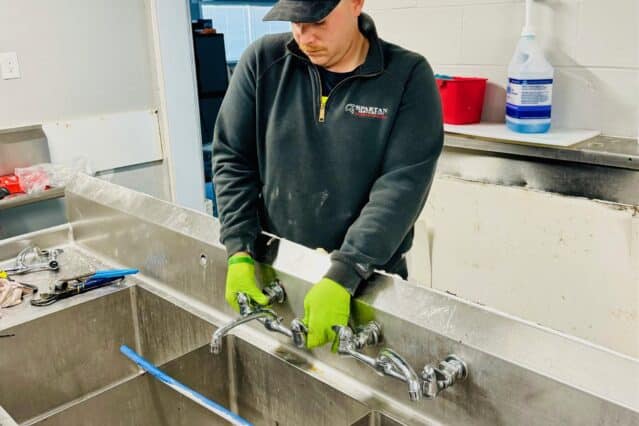

Most homeowners do not think much about their drains until something stops moving. A kitchen sink starts backing up during dinner cleanup. The upstairs shower leaves an inch of gray water around your ankles. A basement floor drain gives off a sour smell that seems to come and go with the weather. By the time the problem becomes obvious, the clog has usually been building for weeks or months.
That is why Residential Drain Cleaning matters so much. It is not simply a response to a blockage. Done properly, it is a form of preventive maintenance that protects plumbing, reduces emergency calls, and helps a home function the way it should every day. The payoff is not theoretical. It shows up in fewer repairs, less water damage, lower stress, and a plumbing system that lasts longer under normal use.
Homeowners sometimes assume a drain either works or does not. In practice, drain performance tends to decline gradually. Grease sticks to pipe walls one thin layer at a time. Hair knots around soap residue until a shower line narrows. Lint, food scraps, mineral scale, and even small shifts in old piping all play a role. A full blockage is simply the final stage of a long process.
What preventive drain care actually does
A healthy drainage system moves wastewater quickly and predictably. You turn on a faucet, use a fixture, flush a toilet, and water leaves the house through a network of branch lines and a main drain. When those lines stay clear, everything feels ordinary. That is exactly the point. Good drain maintenance keeps the routine routine.
Preventive cleaning removes the buildup that restricts flow before it becomes a complete obstruction. In many homes, especially those with older cast iron lines or heavy daily use, that buildup is not loose debris sitting in one place. It is a coating, a narrowing, or a rough interior condition that catches more material every week. If you only address the line once it stops completely, you are treating the symptom late in the cycle.
This is also where judgment matters. Not every slow drain calls for the same approach. A bathroom sink with years of toothpaste sludge and hair near the stopper often needs local cleaning at the fixture. A kitchen line with recurring grease backup may need a more thorough mechanical cleaning down the branch line. A recurring main line issue, particularly in an older neighborhood with mature trees, may point to root intrusion or deteriorated pipe. Preventive care is effective because it allows these issues to be addressed while the system is still usable, rather than after a disruptive failure.
The hidden costs of waiting too long
Homeowners often compare the cost of maintenance with the cost of doing nothing, but that is not the real choice. The real comparison is maintenance versus emergency service, cleanup, damaged materials, and lost time.
A single backup can affect more than one fixture at once. When a main drain starts to choke, the symptoms may appear in the lowest plumbing fixtures first. A basement shower, utility sink, or floor drain can become the release point for wastewater from elsewhere in the house. At that stage, the issue is no longer just inconvenience. Cleanup can involve flooring, drywall, trim, storage items, and sanitation.
Even smaller clogs come with a price. Many people try store-bought drain chemicals several times before calling a professional. Those products can sometimes punch through a soft blockage, but they often leave much of the buildup behind. Worse, repeated use may expose older metal pipes to harsh chemicals without solving the underlying restriction. Then a plumber arrives to clear a line that is still full of corrosive residue. It is not an ideal situation for the pipe or the technician.
There is also the wear-and-tear factor. Slow drains keep water standing in fixtures longer, allow soap and waste to linger, and can increase odor issues. Toilets that struggle because of partial obstructions may get flushed more than once, using more water and adding frustration. None of this makes headlines, but it chips away at a home's livability.
Why some homes need more attention than others
One reason drain maintenance gets overlooked is that plumbing conditions vary dramatically from house to house. Two homes built in the same decade on the same block can have very different drain histories depending on occupancy, renovations, habits, and prior repairs.
Older homes often have pipe materials that collect buildup more readily. Cast iron can become rough inside over time as scale forms and corrosion changes the pipe wall. Galvanized sections, where they still exist, can narrow significantly. Even newer homes are not immune. Long kitchen runs, improper slope, or heavy disposal use can create chronic grease accumulation. Large families simply put more volume through the system. Homes with frequent guests, rental units, and multigenerational households tend to show wear faster.
I have seen houses where the owners swear they are careful, and they probably are. Yet the layout works against them. A kitchen sink might connect to a long horizontal drain before it reaches the stack, which gives grease and food particles more opportunities to settle. An upstairs bathroom might serve three teenagers, which means hair, soap, and personal care products are hitting the same line every day. A laundry standpipe may receive more lint than expected because the washer filter is not catching enough of it. Good preventive care accounts for how the house is actually used, not how the plumbing diagram looks on paper.
Early warning signs worth taking seriously
Drain problems usually announce themselves quietly at first. If you catch them early, the fix is often simpler and cleaner.
- Water drains more slowly than it used to, even if it still eventually clears.
- Gurgling sounds come from nearby fixtures when water is running elsewhere.
- Odors rise from sinks, tubs, or floor drains, especially after heavy use.
- The same drain clogs repeatedly within a short period.
- Water appears in a lower fixture when another fixture is used, such as a shower backing up when the washing machine drains.
Any one of these signs can have more than one cause, but together they point to a system that is losing capacity. A slow bathroom sink may be minor. A shower and toilet in the same area both acting strangely is more concerning. The value of early action is that it gives you options. A technician can inspect, clear, and evaluate the line before the problem spills into living space.
The kitchen line is usually the first troublemaker
In residential plumbing, the kitchen drain is a repeat https://daltondmlu073.urbanvellum.com/posts/how-residential-drain-cleaning-can-improve-daily-household-convenience offender. That is not because homeowners are careless. It is because kitchen waste is especially good at clinging to pipe walls. Warm grease goes down as a liquid, cools in the line, and sticks. Soap can combine with fats into a stubborn residue. Tiny food particles, coffee grounds, starches, and disposal waste all contribute.
Many people believe running hot water solves the problem. It helps in the moment, but the benefit is limited. The water cools as it travels, and the grease does not leave the system forever just because it made it past the sink trap. It often settles farther down the line, where it is less visible and more annoying to remove later.
This is one area where preventive maintenance pays off almost immediately. A kitchen branch line that is professionally cleaned before it is fully blocked tends to stay serviceable with less disruption. Compare that with the typical emergency call: dinner prep underway, sink full, dishwasher paused, and no practical way to keep the household moving until the line is cleared.
Bathroom drains have their own pattern of failure
Bathroom sinks, tubs, and showers clog differently from kitchen drains. Hair is the obvious culprit, but hair alone is rarely the whole story. It mixes with soap residue, shaving products, skin oils, and toothpaste to create a dense mat that catches more debris over time. In tubs and showers, the blockage often forms close to the drain opening at first, which is why homeowners can sometimes remove a surprising amount manually. But once the accumulation extends deeper into the line, surface cleaning is no longer enough.
Children's bathrooms and shared hall baths often need more frequent attention than a primary bath used by one or two adults. The pattern is straightforward: more users, more products, more shedding hair, more strain on the same line. That does not mean the fix is complicated. It means the problem is predictable, and predictable problems are exactly what preventive care is meant to handle.
Toilets are slightly different. A toilet that clogs once because of excess paper may not be a drain maintenance issue at all. A toilet that regularly flushes sluggishly, bubbles, or backs up in combination with nearby fixtures deserves closer examination. A recurring toilet problem can indicate branch line restriction, venting issues, or trouble in the main drain. Guesswork is expensive here. Proper diagnosis matters.
What professional drain cleaning involves
Homeowners sometimes imagine all drain cleaning is the same, but the method should match the condition of the pipe and the nature of the blockage. Mechanical drain snaking is common and effective for many localized clogs. It breaks through obstructions, restores flow, and can remove or retrieve certain materials. For routine stoppages close to the fixture, it is often the right first step.
More significant buildup may call for a more thorough cleaning method. In some systems, especially where grease, sludge, or soft accumulation coats the interior, a cable machine with the correct cutting head can do more than poke a hole through the blockage. It can scrape and open the line more completely. In other situations, particularly with larger drains or recurring main line issues, hydro jetting may be considered. That approach uses high-pressure water to scour the inside of the pipe. It can be very effective, but it is not automatically appropriate for every older or fragile system. Pipe condition should be evaluated first.
This is where experienced technicians earn their keep. Anyone can clear enough of a clog to get water moving. The better question is whether the line was restored in a way that reduces repeat problems. I have seen plenty of cases where a homeowner was relieved the sink finally drained, only to call again two weeks later because the underlying buildup was still there. Temporary relief feels cheaper until you pay for it twice.
The role of camera inspections
Not every drain problem needs a camera inspection, but when a line clogs repeatedly or the cause is unclear, a camera can save time and money. It shows whether the issue is grease, roots, scale, a sag in the pipe, a broken section, or a foreign object lodged in the line. Without that information, treatment can become trial and error.
For a homeowner, the real advantage is clarity. If a technician says the main line has heavy root intrusion twenty feet from the cleanout, that is a different conversation from a simple soft blockage in a branch line. If the camera reveals a belly in the pipe that holds water and catches solids, cleaning alone may only buy time. Preventive care still matters, but it should be paired with an honest view of the system's limitations.
Why store-bought solutions rarely solve recurring issues
There is a place for simple homeowner maintenance, but repeated reliance on off-the-shelf drain remedies usually signals a cycle that is getting more expensive, not less. Handheld drain tools can remove shallow hair clogs near a stopper. Cleaning a pop-up assembly in a bathroom sink is sensible and often effective. Flushing a little hot water after washing greasy pans is harmless enough, though it is not a cure.
Chemical drain cleaners are the bigger concern. They can sit in traps or partially blocked lines longer than intended. They may soften part of a clog without removing the mass that formed around it. In older piping, particularly metal drains already weakened by age, repeated chemical exposure is not a good long-term strategy. They can also make later service more hazardous.
A recurring drain is telling you something. The message is usually that the line needs mechanical cleaning, inspection, or a change in use habits. It is rarely telling you to buy the same bottle again.
Simple preventive habits that make a real difference
Professional service matters, but so do everyday choices. Good habits will not eliminate every clog, especially in older homes, yet they noticeably reduce buildup and extend the interval between cleanings.
- Keep grease, cooking oil, and pan drippings out of the sink. Let them cool and dispose of them in the trash.
- Use drain strainers in showers and tubs where hair is a consistent issue.
- Avoid treating the garbage disposal like a second trash can, especially with fibrous, starchy, or bulky food waste.
- Flush only toilet paper in toilets, not wipes, paper towels, or hygiene products, even if packaging claims otherwise.
- Address a slow drain early instead of waiting for a full backup.
These are small habits, but they work because they cut down the volume of material most likely to stick or tangle inside the line. They are also cheaper than almost any repair.
How often should Residential Drain Cleaning be scheduled?
There is no honest one-size-fits-all answer. Some homes can go years with no professional drain service because the plumbing is newer, the usage is moderate, and the occupants are careful. Other homes benefit from annual or biennial cleaning in specific problem areas. The right interval depends on pipe age, material, layout, household size, and history.
If a kitchen line has clogged twice in three years, that is enough history to justify a preventive schedule. If tree roots have entered the main line before, periodic maintenance may be far less expensive than waiting for another sewage backup. If a bathroom drain slows every six months because of heavy use, planned cleaning becomes practical, not excessive.
What matters is pattern recognition. Good plumbing service is not about selling the same schedule to everyone. It is about identifying where buildup forms, how quickly it returns, and whether maintenance is preventing larger costs. The best plans are tailored, simple, and grounded in what the system actually does over time.
Preventive care is also about protecting the home itself
Drain issues are often discussed as plumbing problems, but the consequences spread beyond the pipes. Moisture from overflows can damage cabinetry, baseboards, subfloors, and finished surfaces. Repeated dampness encourages odor and, in some cases, microbial growth. A backup in a finished basement can be particularly disruptive because it affects stored belongings and living space at the same time.
Then there is the quality-of-life angle, which homeowners sometimes underestimate until it is compromised. One unusable shower in a busy household changes the morning routine immediately. A kitchen sink out of service for a day or two becomes a logistical problem. An odor that lingers near a drain can make a clean house feel unclean. These are not catastrophic losses, but they matter. Preventive maintenance earns its value by preserving normalcy.
When cleaning is not enough
Preventive cleaning is powerful, but it is not magic. Sometimes it reveals that the real issue is structural. Old cast iron may be flaking internally to the point that buildup returns quickly no matter how well it is cleaned. A section of pipe may have shifted, creating a low spot where solids collect. Root intrusion may keep coming back because a joint has failed. In those cases, cleaning is still useful because it restores service and clarifies the condition of the system, but repair or replacement may be the sounder long-term move.
This is another reason preventive care pays off. It catches marginal systems before they fail spectacularly. If a camera inspection shows a line is serviceable for now but declining, a homeowner can plan. Planned repairs almost always cost less emotionally and financially than emergency ones. You have time to compare options, schedule work, and protect finishes before wastewater forces the decision.
The economics are usually straightforward
Home maintenance decisions often feel abstract until you compare real-world outcomes. A scheduled drain cleaning for a recurring problem line is usually a controlled, predictable expense. An emergency backup is not. Emergency calls often happen after hours, involve active overflow risk, require faster dispatch, and may include cleanup or follow-up work. Add damaged materials, missed work, and stress, and the math becomes obvious.
Even when no visible damage occurs, recurring clogs waste money through repetition. Homeowners spend on chemicals, temporary tools, and multiple short-term fixes that never fully resolve the restriction. What looks like saving money often turns into paying several times for the same problem.
Preventive care is rarely glamorous, and that is precisely why it is effective. It turns a disruptive event into a manageable service item. It lets the house keep working. It replaces surprise with planning.
A well-maintained drainage system is easy to ignore, and that is the goal
The best plumbing systems are the ones nobody notices. Water goes where it should, fixtures drain without hesitation, and there is no odor, no gurgling, and no reason to think about what is happening inside the walls and under the slab. Residential Drain Cleaning supports that kind of quiet reliability.
For homeowners, the practical lesson is simple. Do not wait for a full stop. Treat slow drains, recurring clogs, and strange noises as early indicators, not minor annoyances. Use good daily habits, and when a line has a history of buildup, consider a preventive service plan based on that actual history. The money spent on timely maintenance usually returns itself in avoided emergencies, reduced wear, and a home that stays cleaner, drier, and easier to live in.
That is why preventive care always pays off. It protects the plumbing you cannot see by sparing you from the damage you definitely will.
Spartan Plumbing Services
Address: 760 107th St S, Tacoma, WA 98444
Phone number: +12534998773
FAQ About Residential Drain Cleaning
How much does it cost to have someone clean your drains?
Professional drain cleaning costs between $147 and $352 on average, with most homeowners paying around $246. The final price is heavily determined by the type of drain affected, the clearing method needed, and your geographic location.
How much does it cost to clean a drain line?
Professional drain cleaning costs between $147 and $352 on average, with most standard residential jobs landing right around $246. However, your final bill can scale from $100 to over $800 depending entirely on which drain is clogged and the method required to clear it.
Is professional drain cleaning worth it?
Yes, professional drain cleaning is worth it because it clears deep buildup and prevents expensive plumbing emergencies.